
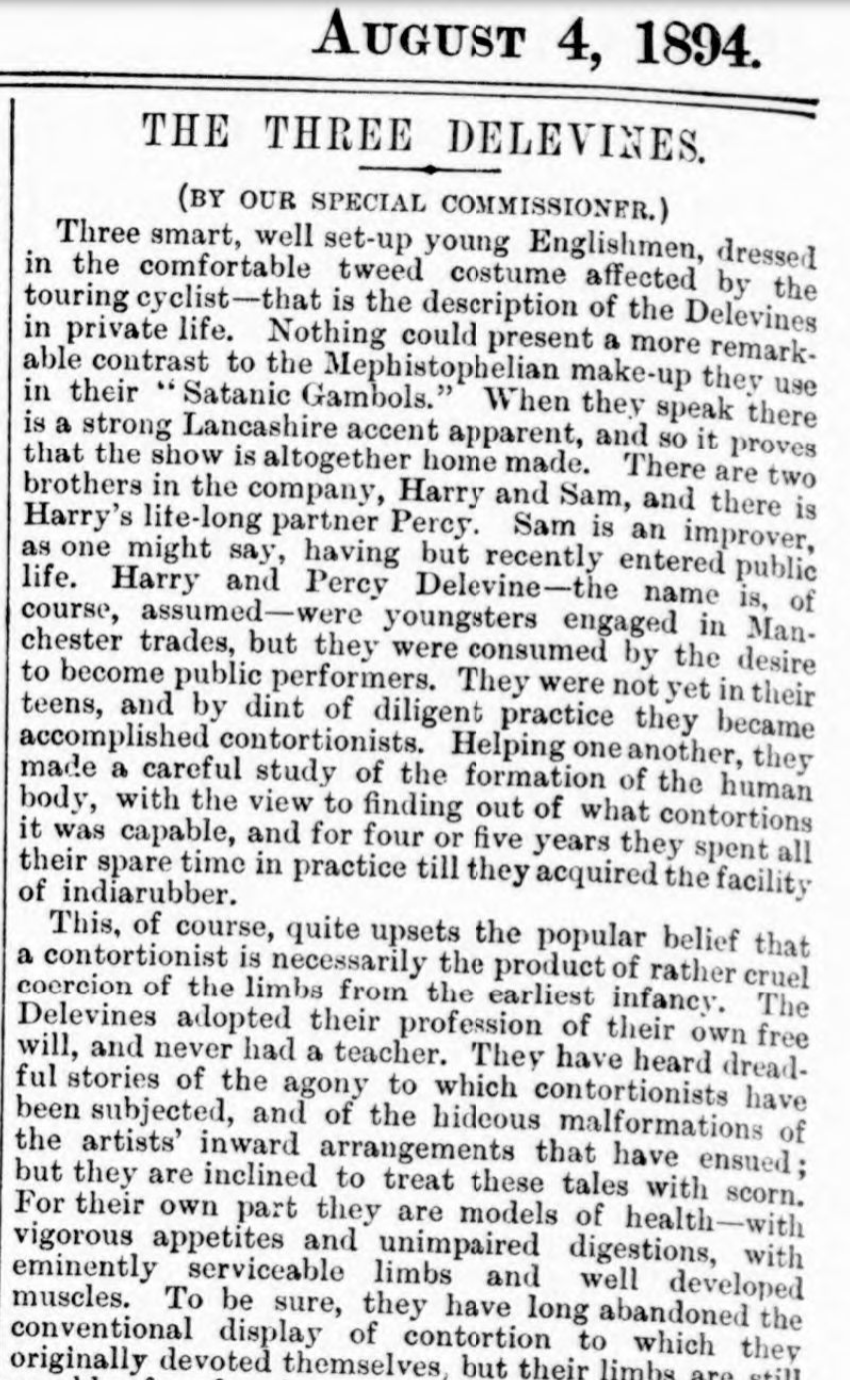
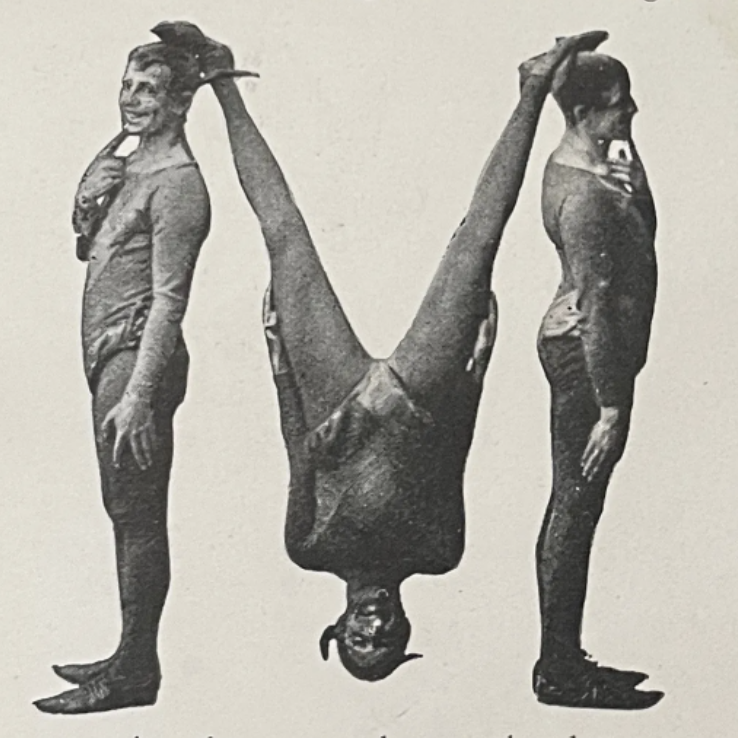
The Delevines
Some time around 1850, during An Gorta Mór, a couple from Tipperary and Westmeath cross to England and settle in Manchester, giving their names on the census as Richard and Eliza Wilkinson.
The name is interesting, since it’s English. It implies Richard was either descended from earlier English settlers or—since I can’t find any record of him actually in Ireland—that he adopted the English name at the border, leaving a more obvious Irish moniker behind.
If so, there was good reason to bury an Irish identity. Industrial Manchester at this time is developing rapidly on the back of immigrant Irish labour and while the Wilkinsons avoided the worst squalor of Little Ireland, there was deep prejudice and social stigma. The Irish were portrayed in the English media as little more than animals.
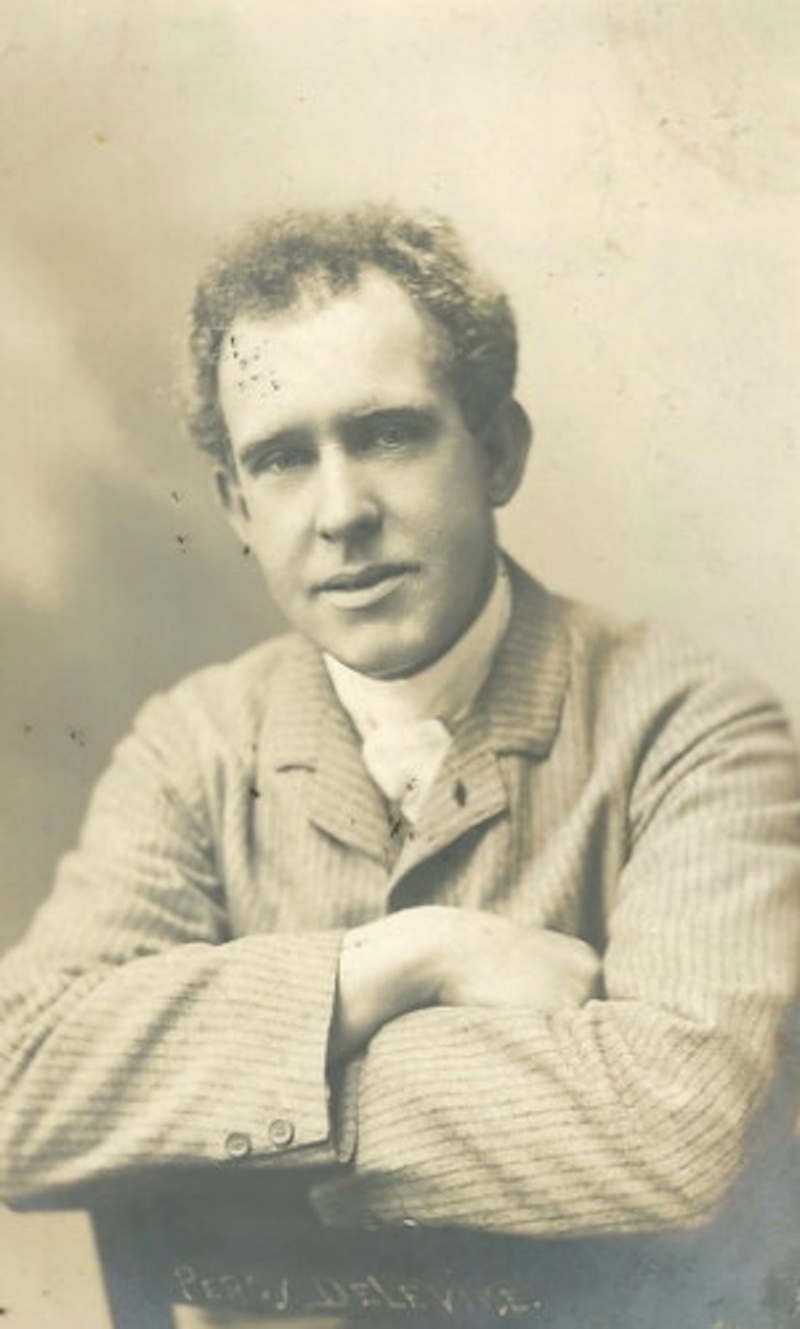
The record shows the family moving around working-class South Manchester boarding wherever there is work: Stretford, Chorlton, Rusholme. Richard is out of work as often as not. Eliza works as a dressmaker. Their younger son, Percy, born in 1868, begins his working life as a stationer’s apprentice, but he watches his father break his back for pennies and thinks: there must be another way. When his older brother Arthur joins a comedy troupe called The Haytors, Percy sees his way out.
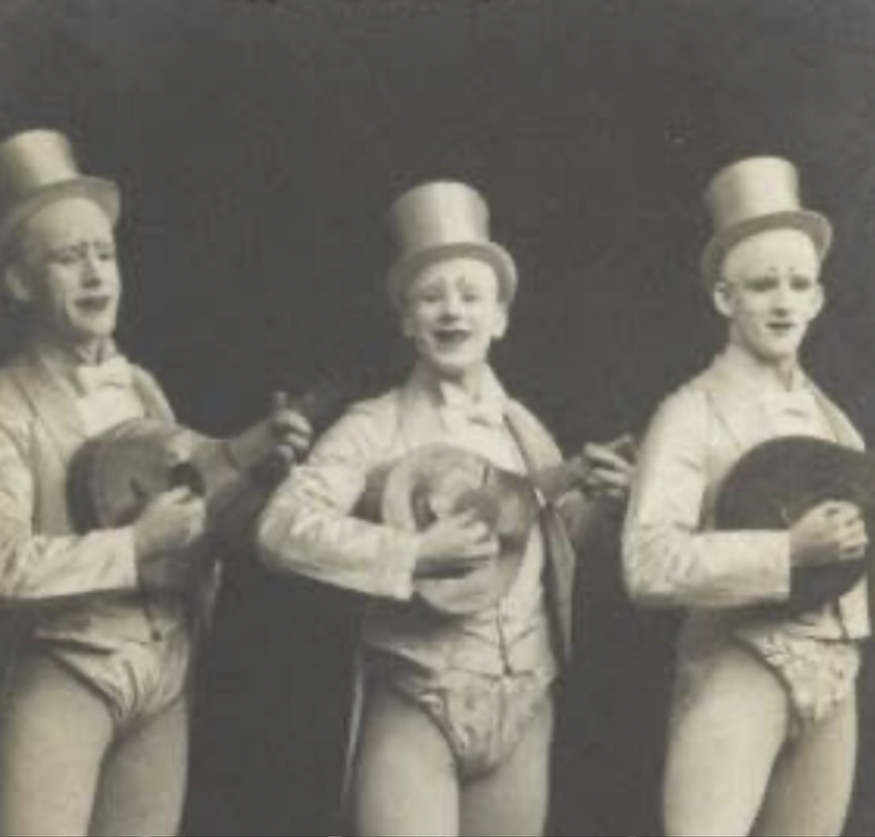
At 16, Percy teams up with his childhood friend Harry Cooper and they hatch a plan to earn their living on the stage. They train together as contortionists, teaching themselves to twist and bend their bodies into implausible shapes. They learn to play musical instruments—one picture shows them with matching mandolins, for example. Harry’s younger brother Sam joins the troupe and they call themselves The Three Delevines.
I have often wondered about the name. A typical variety stage name in the 1870s would haven been something like “The Flying Fantinis”, but Delevine is a real—if rare—family name. My initial theory that it was derived from the Sephardi names De Levy and De Levine, which I could trace from the South Manchester Jewish community back to Gibraltar, ran out of road when I discovered the Irish root. However, in 1860 and 1865 respectively, I find records of two separate Delevine families leaving Ireland for America. One directly from Ireland and one passing through England. The name would be in fine company in Ireland, matching with more established names such as Devine, Irvine and Considine. It may be that Richard was a third fleeing Delevine and simply got lucky enough with the work to stay.
In any case, the young Delevines initially job around doing local pantomime and whatever they can get, but struggle. Percy marries a woman by the name of Annie Marsh.
The group get their big break when they meet an impresario in London, called Parravacini. According to an 1894 profile in The Era, he tells the lads they have talent but no originality: they need a hook. The trio put their heads together and devise a novel narrative-led skit, where they dress as devils. They get a chance to debut the show at the Alhambra Theatre, Leicester Square, in 1887 and go down a storm. From this moment onward, their diary explodes. London can’t get enough of the Delevines’ “Satanic Gambols” and they become full-blown celebrities, cycling from show to show on a quadricycle, in full costume, literally making a spectacle of themselves.
From here, the world. From Pigalle to the Gran Vía and other parts of Europe, as the pay is better abroad.
The birth of Percy’s son, my grandfather Leslie, is announced in the national press (The Era) in 1895, at the height of Delevine mania. Five years on, a census record shows Leslie living with his mother and her relatives. Percy is on the road. This pattern, of Percy travelling and Annie staying “home” with Leslie and later, Elsie, will prove unsustainable for the couple.
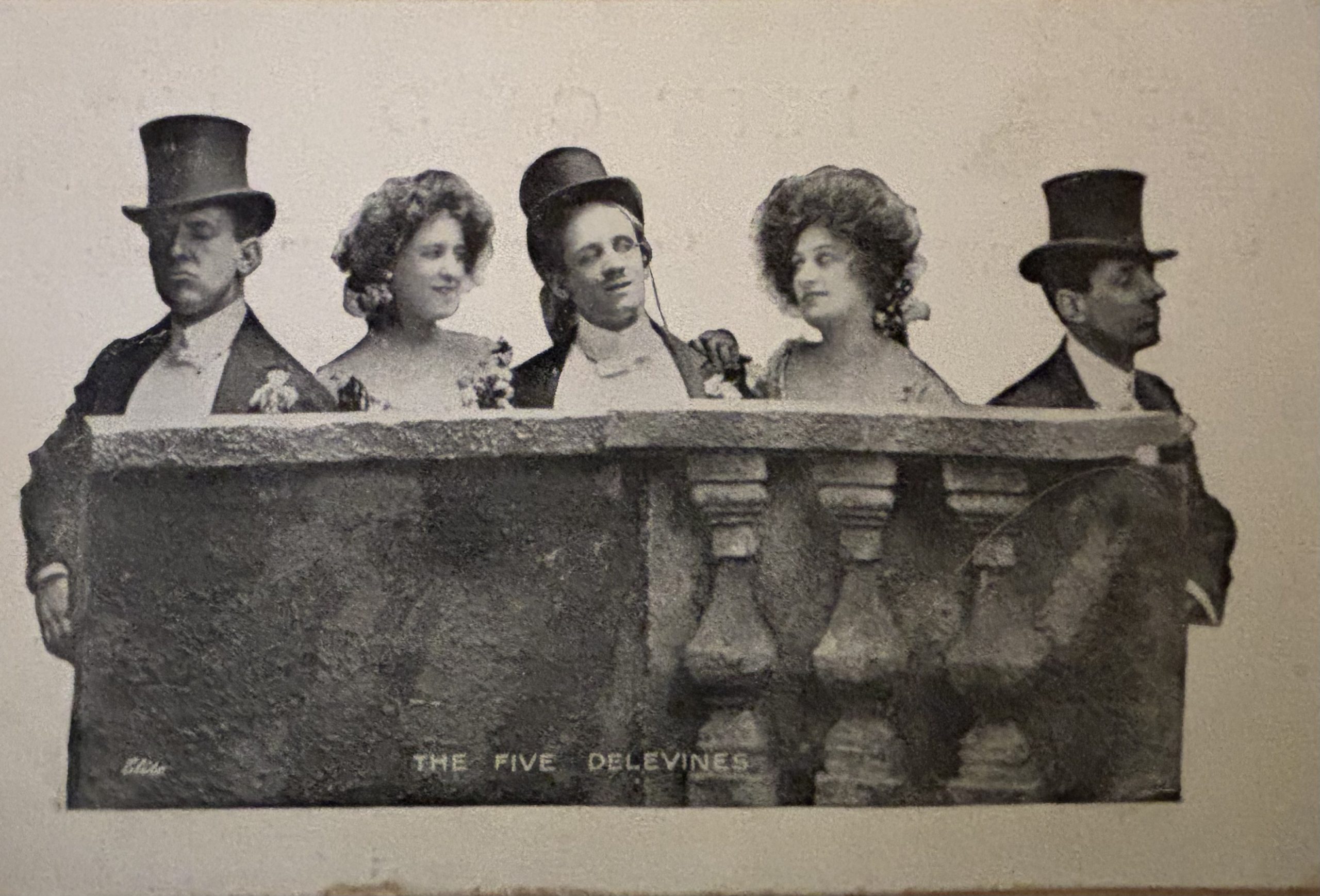
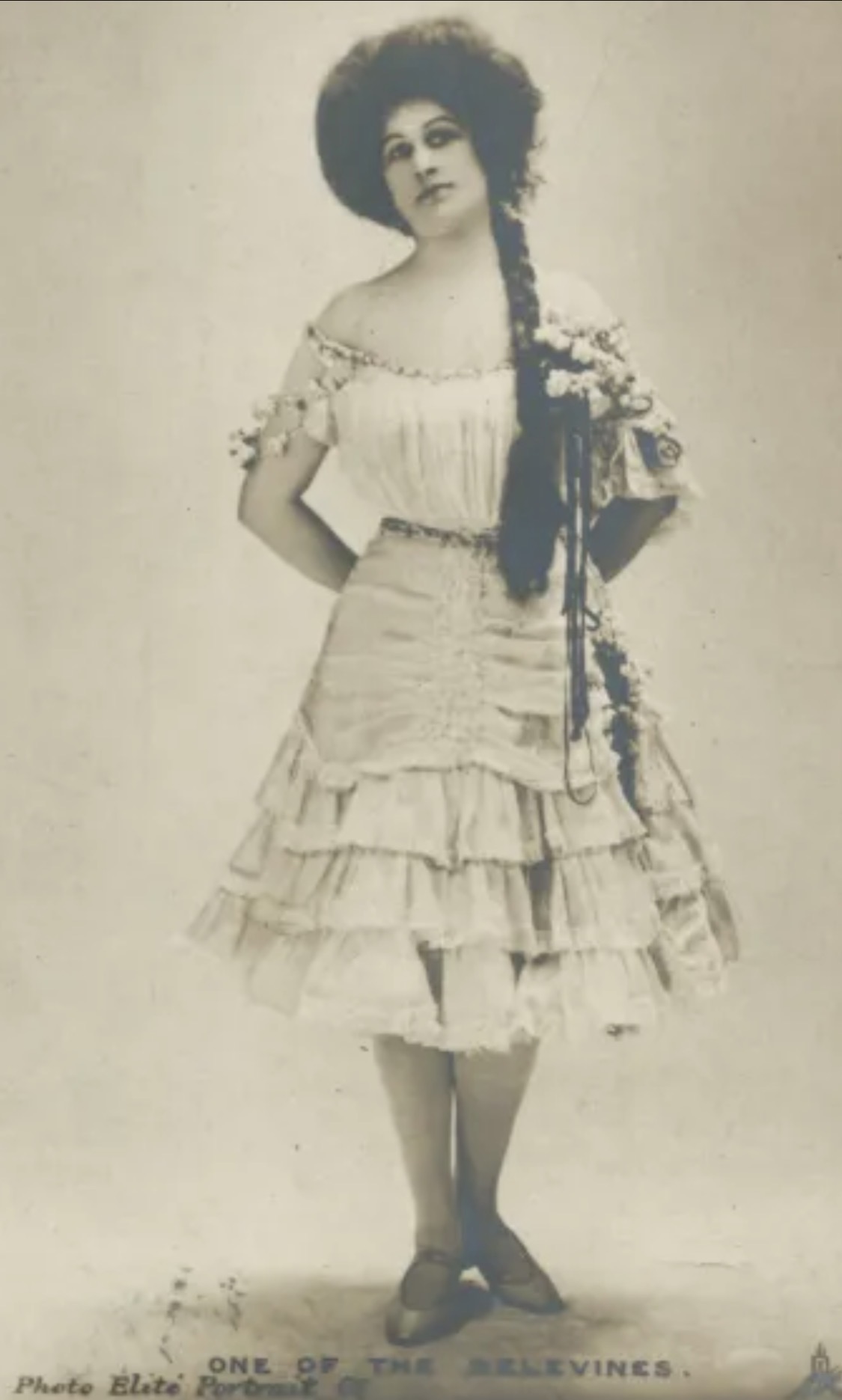
At the turn of the century, the Delevines meet another variety act working the circuit, The Sisters Winterton. Described as dancers and lute players, Minnie and Hettie join the Delevines and the team develop a new show, Flirtation, which runs for seven years. Minnie—something of a pin-up, with glamour shots appearing in Boxing World—marries Harry and the group travels extensively, working the cruise liners as well as theatre. The record shows them in Chicago, New York, Melbourne, London, Paris, Liverpool, Brighton, Leicester and so on. Each time, Percy gives a different year of birth and profession, the latter ranging from “labourer” to “actor” and even simply “gent”. The unwillingness to be documented as himself is captured in Walter Lambert’s massive historical oil painting “Popularity”, which depicts a vast assembly of prominent music hall and variety entertainers from the early 20th century. Percy is, characteristically, facing away.
The American journalist Grace Carew Sheldon was a passenger on the SS City of Chicago, an Inman Liner that left Liverpool for New York in June 1890. She wrote an account called As We Saw It in ’90 and described Percy:
“The Delevine brothers […] perform only seven minutes, and one of them, who seemed a gentleman, told me that finding he could earn as much every evening in seven minutes as he could by hard work in seven days, much against his parents’ wishes, had gone on the stage. He played the mandolin and sang pleasing melodies.”
Percy joins the Grand Order of the Water Rats, London’s premier showbiz fraternity, and the transformation from son of itinerant Irish labourer to tweedy English gent is complete. Eventually, Percy’s break with Annie and the kids becomes permanent. He marries Hettie Delevine and they have three girls together. A personal account from Percy’s grand-daughter describes Percy as a loving and emotional man, adored by his family. He cries when Hettie cuts her flowing auburn hair into a fashionable bob and calls his youngest daughter “Baby”.
Back in Norwood, Leslie is his father’s son in some ways: a gifted magician, acrobat and joker. He speaks the Showman’s Cant, but he never treads the boards. While his heart yearns for the travelling life, he works unhappily at a bank to support his mother. He marries the daughter of Phoebe Stevens, a Romany matriarch whose family—one of the most prominent and well documented Romanichal families in Southern England—moved around Surrey at the time, and the two of them settle in South London postcodes that were once atchin tans.
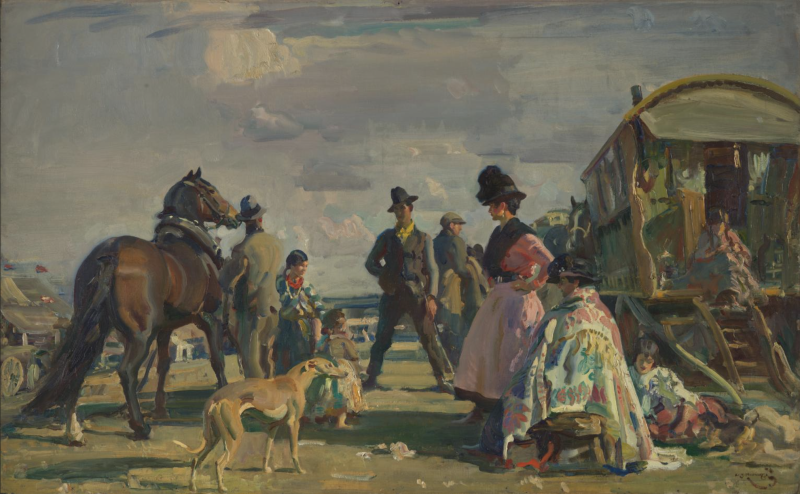
The Stevens family on Epsom Downs, by Sir Alfred Munnings
Meanwhile, in Brighton, Mr and Mrs Delevine have been living the showbiz life, running around with Max Miller, Tommy Trinder and them. But Percy is now too old to work. He opens a boarding house with his beloved Hettie, but is too soft to get paid. Guests jump out of the window to avoid the bill and money is tight. He entertains his girls with songs on the ukulele, but eventually becomes too ill to pay the bills. The girls go to the Actors’ Orphanage in Langley and Percy leaves us in 1938. The following year, as the world goes dark, Leslie Wilkinson (he does not adopt the Delevine name as Percy’s later family do) and his wife Kathleen produce a daughter.
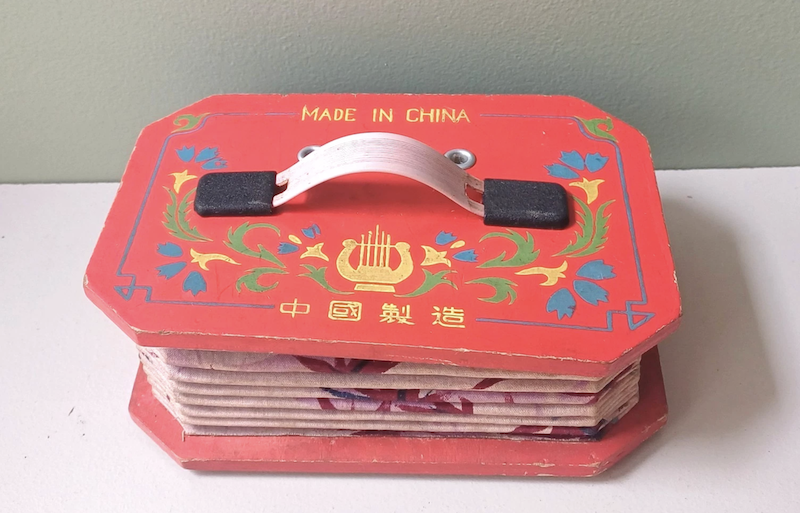
My dear Mamá, having grown up around showmen, wants none of it—no greasepaint, no sequins, no vardo. A quiet suburban life away from the whole rum do is what she aims for. Unfortunately, she gives birth to a bitti chavello who leaps from the womb feet-first, wielding a Chinese paper accordion and dreaming of the circus. Sorry Ma, this old sikkamengro weren’t born for a Josser’s life.
THE END
Coco et les Eléphants
Ballyneale - The Ballad of Percy Delevine
